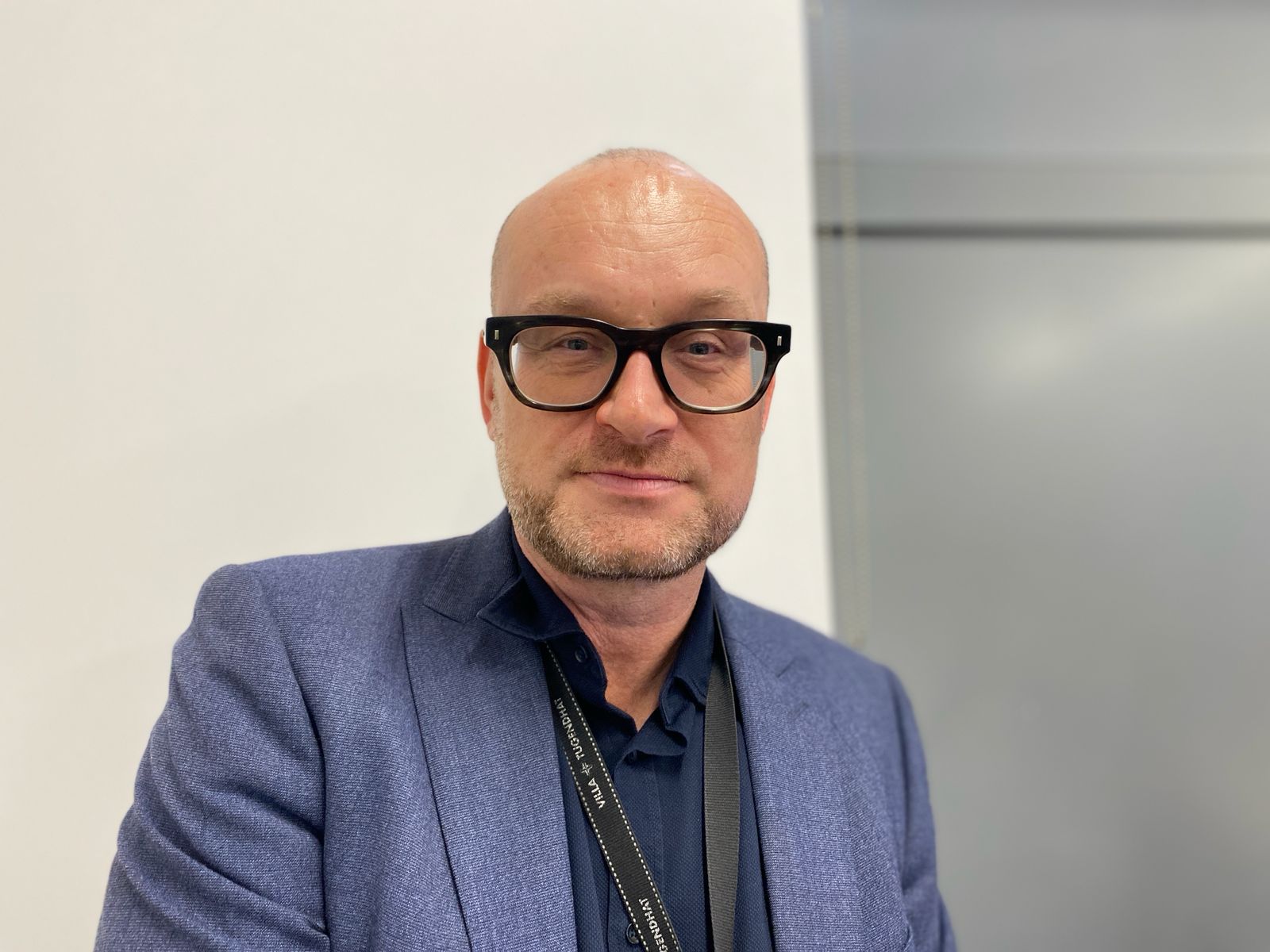
ApexHE supports academics, research teams, and university leadership to secure strategic funding and build the digital frameworks that define the next era of higher education. Led by Professor Sebastian Groes — AHRC grant holder, BBC-featured innovator, and pioneer of AI and VR pedagogy.
Begin the ConversationFrom winning major research grants to deploying AI chatbots in the lecture theatre, ApexHE brings practitioner-level expertise to every engagement.
Strategic bid writing for individual academics and university teams pursuing UKRI, Horizon Europe, Arts Council, and philanthropic funding. We turn strong research ideas into seriously competitive proposals — maximising your success rate at every stage.
ApexHE's founder has personally secured close to £500,000 in competitive grant funding from the AHRC, Arts Council England, the Wellcome Trust, the Daiwa Foundation, and the Being Human Festival — with a Horizon Europe application currently in preparation.
Futureproofing universities through AI chatbot integration for pedagogy, immersive VR and XR learning environments, and computational methods for academic research. Our work has attracted international recognition — including features on BBC News, BBC Radio 4, and across the national press.
From designing cutting-edge modules such as Literature in the Digital Age and Poetics of Surveillance to directing the Digital Futures Lab — an experimental, cross-disciplinary space for creative-critical work on digital transformation — ApexHE brings genuine, frontline experience to every engagement.
We also lead the UK's first Computational Literary Studies (CLS) Hub, offering stylometric analysis of large text corpora alongside staff training and upskilling programmes. Our expertise spans digital inequality, AI ethics, VR pedagogy, and the challenges of digital living.
Professor Sebastian (Bas) Groes, FHEA FEA, is Professor of English Literature and Director of the Centre for Transnational and Transcultural Research at the University of Wolverhampton. He is also the founder and director of the Digital Futures Lab, where he leads cutting-edge research in AI, VR/XR, and Computational Literary Studies.
Bas is one of the UK's most prominent academic innovators in digital higher education. His pioneering work introducing AI chatbots and Virtual Reality environments into university teaching has attracted national and international media coverage — including multiple BBC News features, BBC Radio 4's Futureproofing, and BBC Digital Planet — as well as reaching over 3 million members of the British public through media engagement in 2026 alone.
He has personally secured close to £500,000 in competitive research funding across more than fifteen grants, and has delivered bid-writing masterclasses to over 200 academics internationally — at institutions including Anglia Ruskin, Universiti Kebangsaan Malaysia, and institutions across Europe.
As a consultant, Bas has advised organisations including the BBC, the British Library, the AHRC, eBay, the Serpentine Gallery, the Whitechapel Gallery, and Libraries Connected — bringing academic rigour and creative ambition to real-world challenges.
The Digital Humanities Research Group at Wolverhampton — led by Professor Groes — explores how computing and digital technologies open new ways of understanding society, culture, and knowledge. Here are some of the active research areas ApexHE draws on.
The UK's first CLS Hub, offering computational and stylometric analyses of literary corpora alongside training courses for humanities staff upskilling. AHRC-funded infrastructure project (£100,000, 2026).
A major AHRC-funded project (£295,000) using computational linguistics and computational sociology to identify unconscious biases in the reading behaviour of British audiences.
An Anglo-Dutch project investigating citizens' susceptibility to fake news during COVID-19, collaborating directly with the UK's Department for Digital, Culture, Media & Sport and the Dutch RIVM.
A Daiwa Foundation-funded Anglo-Japanese research project exploring the blurring of online and offline experience, addressing wellbeing challenges including isolation, addiction, and digital fatigue.
An Arts Council-funded online creative writing programme for people with acquired brain injury, using CLS methods to help diagnose linguistic and cognitive impairment. Benefiting tens of thousands of survivors.
Arts Council-funded mass book club in UK prisons, engaging over 2,200 prisoners in Kent with reading and creative writing programmes — with contributions from Stephen Fry — impacting on prison policy and rehabilitation.
ApexHE's founder has a proven record of successful grant capture across a wide range of prestigious funding bodies — from national research councils to arts funders and international foundations.
Whether you're preparing a major grant bid or exploring AI and VR for your curriculum — we'd love to hear from you.